
A curated selection of Data & AI projects.
Turning structured information into insight through dashboards, intelligent agents, and applied research.
Section 1 – AI Agents & Automation
A suite of modular AI compliance and automation micro-agents, built around explicit control boundaries and aligned with ISO/IEC 42001 principles.

From structured data to explainable insights, with human-in-the-loop control.
Challenge
Traditional BI tools handle dashboards well but are weak at exploratory reasoning.
LLMs lack numerical guarantees and traceability.
Approach
Deterministic analytics for all numeric outputs.
LLMs used only for explanation and insight suggestions.
Human-in-the-loop control explicitly preserved.
Outcome
Explainable conversational BI: answers, deterministic tables, and structured PDF reports from a single dataset.
Frozen public build: v0.6.1.
Reflections
Explainability is an architectural choice.
An agentic AI to verify compliance with GDPR and AI Act
(Italian version coming soon)
Challenge
Policy documents are unstructured and hard to assess against GDPR or AI Act.
Approach
Built an AI agent that analyzes PDFs and free text using Markdown-based legal logic and explicit compliance rules.
Outcome
Generates clear PDF reports with risk score, violations, and citations. Runs on Hugging Face.
Reflections
Structure matters more than prompts.
An AI-powered compliance agent, that evaluates meeting content against organizational policies.
Challenge
Unstructured meetings waste time and miss policy rules.
Approach
Built an AI agent that checks agendas/transcripts against Markdown policies with schema validation.
Outcome
Generates JSON reports with compliance scores, findings, and optional rewrites.
Reflections
Transparency and editable rules matter as much as the AI model.
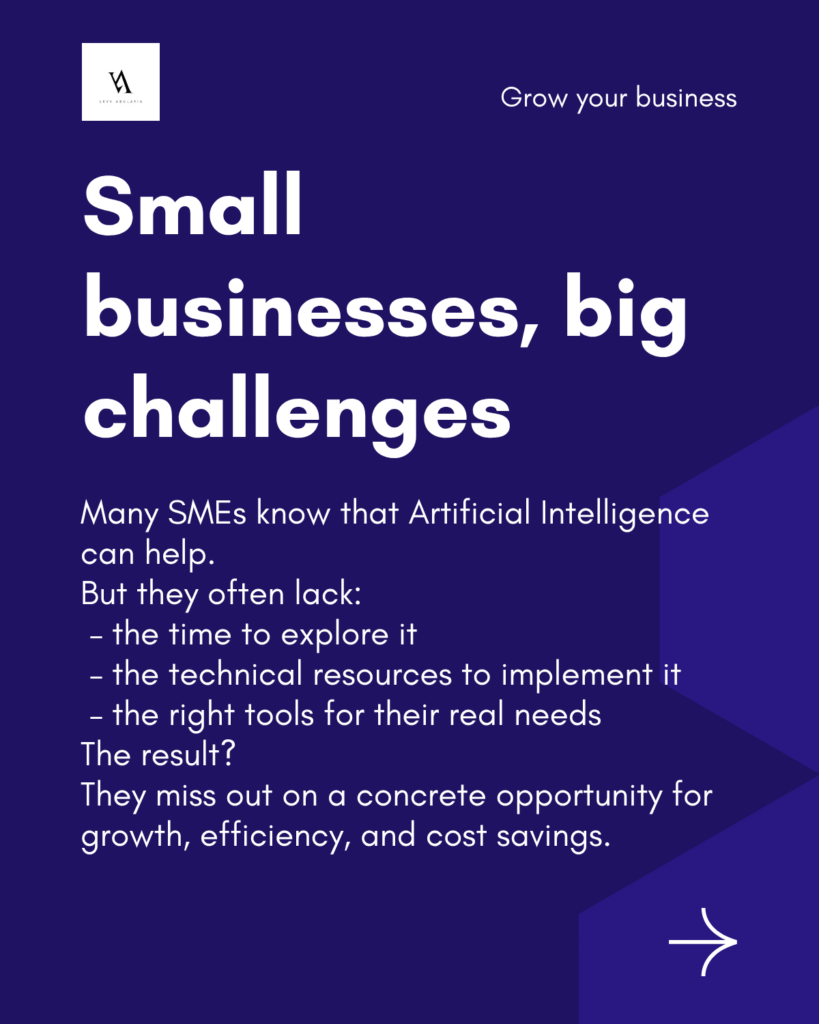
Simple AI tools for everyday business workflows
Challenge
Small businesses need AI that’s simple, practical, and fits real routines.
Approach
A micro-agent, built on the Persona Pattern, brings expert-level automation using easy-to-update tools, no coding needed.
Outcome
Clearer communication, fewer errors. Descriptions are written by AI, organized in elegant bilingual PDFs, and generated in one click.
Reflections
Agent Artigiano makes advanced AI accessible and useful for any business, no matter how small.

Because crafting a clever LinkedIn comment shouldn’t take longer than reading the post.
Challenge
Crafting witty LinkedIn comments is tough. Agent-Meme automates it with AI, humour, and style.
Approach
Built a Python agent using ChatGPT-4o and DALL-E to generate and visualize smart meme replies.
Outcome
Created customizable, downloadable memes while learning to integrate APIs and handle text/image quirks.
Reflections
Prompting is a creative skill; true control came from framing, iterating, and guiding AI intentionally.
Section 2 – Dashboards & Business Intelligence
Data visualization for operational insight and informed decision-making.
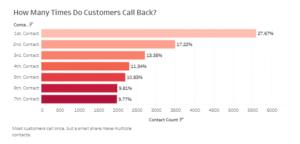
Google Fiber – Repeat Call Analysis
Challenge
When customers call more than once, it signals friction and hidden costs in time and satisfaction.
Approach
Analyzed thousands of fictional customer interactions to uncover patterns behind repeat calls across three major markets.
Outcome
A Tableau dashboard revealing which issues drive second calls and how trends evolve by week, month, and city.
Reflections
Turned call-center data into a diagnostic tool.
A way to measure not just volume, but service quality itself.
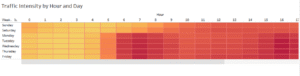
An interactive Tableau dashboard exploring traffic patterns across Minnesota highways.
Challenge
Understand traffic volume evolution across time and locations.
Approach
Combined weather, holiday, and traffic datasets to reveal temporal and spatial trends.
Outcome
Dynamic dashboard enabling exploration by year, weekday, holiday, and region.
Reflections
Strengthened skills in data cleaning, calculated fields, and time-based visual storytelling with Tableau.
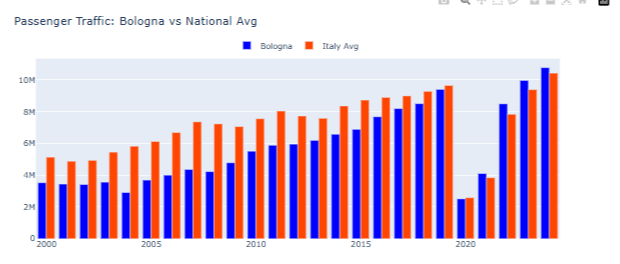
An interactive dashboard that tracks 25 years of air traffic at Bologna Airport.
Challenge
Visualize 25 years of air traffic.
Approach
Built with Dash and Plotly on top of prior analysis.
Outcome
Live dashboard covering passengers, cargo, CO₂, and delays.
Reflections
A hands-on exercise in merging public datasets, handling time series gaps, and building a responsive UI with Dash.

Section 3 – Data Science & Exploratory Projects
From prediction to data cleaning, exploring what drives outcomes.
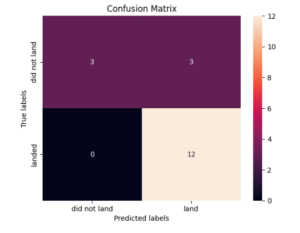
Because rocket science can wait, this is data science.
Challenge
Predicting rocket landings to cut launch costs for a SpaceX rival.
Approach
Used API + web scraping to build a clean dataset and train ML models.
Outcome
An SVM model delivered strong results. The dashboard displays launch success by site and payload.
Reflections
Framing the problem mattered more than fancy models.
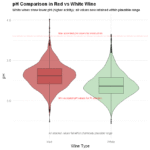
A two-part technical project focused on cleaning, validating, and comparing wine quality data using R and Python.
Challenge
Cleaning and validating red & white wine data using domain-specific rules.
Approach
Built R and Python workflows to detect outliers, check variable ranges, and compare insights.
Outcome
Improved dataset reliability, highlighted quality issues, and applied regulatory logic.
Reflections
Planning the structure of a project before writing any code is essential.
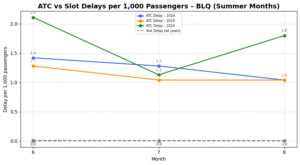
End-to-end Python analysis on flight traffic, data cleaning, and performance metrics.
Challenge
50+ datasets with inconsistent formats and IDs.
Approach
End-to-end Python pipeline for cleaning and alignment.
Outcome
Insights on delays, traffic trends, and emissions efficiency.
Reflections
Real-world data is messy, governance makes it usable.

Data-driven analysis of cultural and commercial trends in sex toys.
Challenge
Map evolution and consumer behavior across brands, usage types, and countries.
Approach
Web scraping, manual classification, and cultural analysis in Python.
Outcome
Cultural analysis of more than 100 products and 4 brands across 3 continents.
Reflections
From static insights to interactive storytelling.
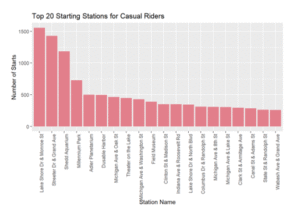
Analyzing historical trip data on a leading bike-share company.
FIRST PROJECT, now being rebuilt.
Challenge
Cyclistic needed insights to convert casual riders into annual members.
Approach
Cleaned and analyzed trip data in R to identify usage trends across user types.
Outcome
Found behavioral differences supporting targeted promotions and service planning.
Reflections
Data preparation was key: cleaning, documentation, and consistent formatting enabled accurate, actionable insights.
Section 4 – AI Governance
I design systems where data and AI support decisions that are traceable, controllable, and reliable.
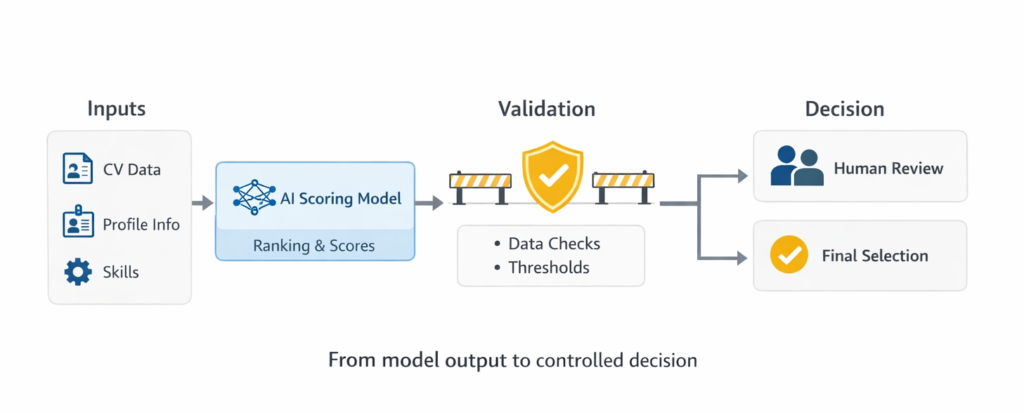
HR CV Screening System
This project presents a practical AI risk assessment applied to a CV screening system used in HR.
The focus is not on the model itself, but on how the system influences decisions and how to control that influence.
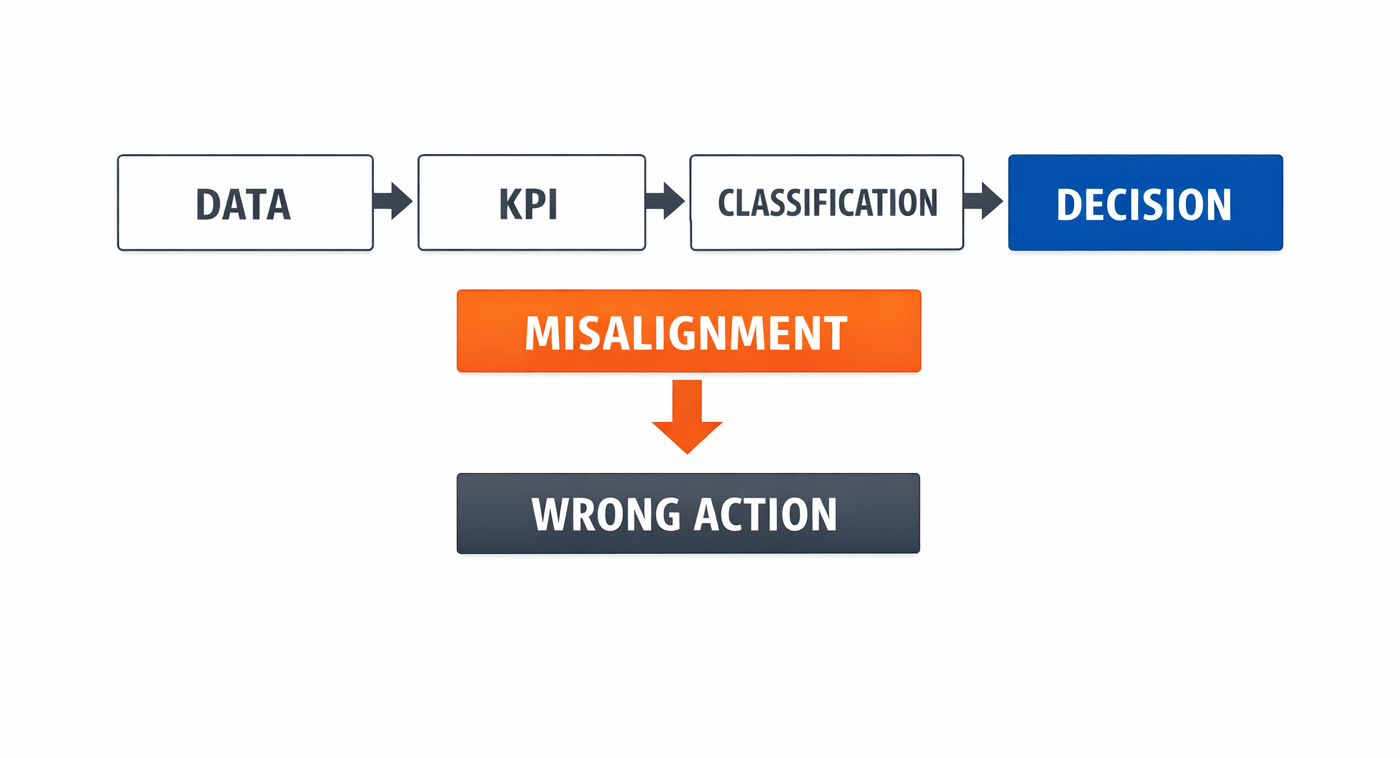
Making Data-Driven Decisions Verifiable
The main risk is not missing data, but misaligned data representation.
Data can be formally correct and still lead to wrong decisions.